All official European Union website addresses are in the europa.eu domain.
See all EU institutions and bodies
An official website of the European Union | How do you know?
Environmental information systems
EN



The Municipality of Egaleo shapes a well-informed and active generation of students capable of addressing climate-related challenges through innovative actions and collaborative initiatives.
Key Learnings
About the Region
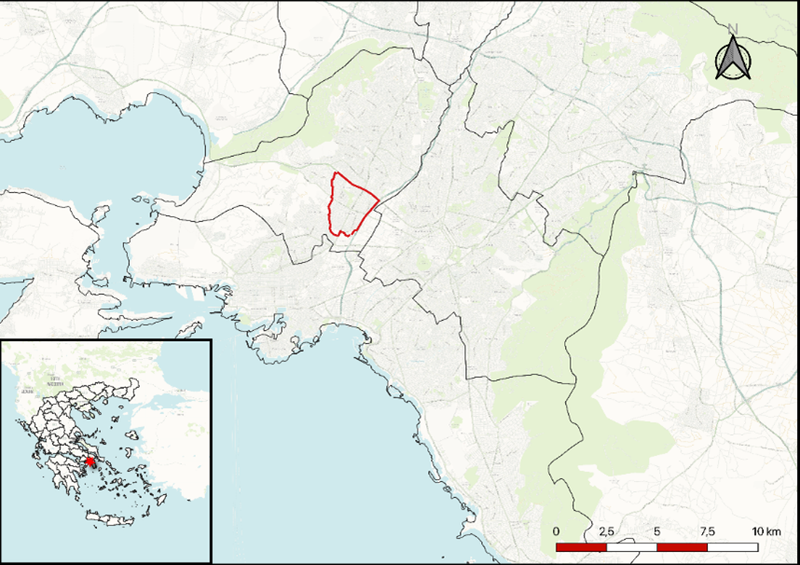
Figure 1: Egaleo in Greece. Image Credit: Municipality of Egaleo.
Climate Threats
The Municipality of Egaleo, located in the Western Region of Attica, Greece, belongs to the broader Mediterranean region and experiences a warm-temperate climate characterised by hot, dry summers and mild, wet winters. Egaleo faces multiple climate-related hazards, including:
- Rising temperatures and heatwaves, with summer temperatures reaching up to 45°C, pose serious risks of heat stress for the elderly, children, infants, and pregnant women, as well as households experiencing energy poverty due to inadequate heating and cooling systems.
- More droughts and decreasing rain are affecting urban vegetation, and increasing the fear of wildfires in the Egaleo Grove “Baroutadiko”, the largest green space in the Western Region of Attica. So far, no significant wildfires have occurred in Egaleo Grove, but prolonged droughts keep the municipality on high alert.
- Insufficient flood risk management systems and the city's proximity to the Kifissos River have led to urban flash floods. Severe flooding events in 1934, 1954, and 1997 resulted in fatalities and extensive damage, highlighting the municipality’s vulnerability, particularly during mid-autumn and winter.
As these climate threats intensify, Egaleo has been exploring sustainable urban solutions and promoting community-driven adaptation initiatives to enhance climate resilience and protect its population. As an example, the municipality has adopted a youth-centred strategy to strengthen local climate resilience. This strategy is implemented through a holistic educational approach that combines formal and non-formal learning tools, awareness-raising activities, and participatory processes that actively involve students, teachers, and the wider community.
Building a Youth-Centred Approach to Climate Adaptation
Designing and testing this climate education model has brought together school-based modules, open innovation formats – such as hackathons – and collaborative events between citizens and local actors. This approach helps foster long-term climate awareness among students, youth empowerment, and a new culture of responsibility and adaptability among the younger generations. These educational and transformative efforts targeted students and local stakeholders.
Student and Community Engagement in Climate Adaptation
The Municipality of Egaleo engages with students, teachers, parents and the local community through a series of activities. The initiative promotes climate awareness, scientific literacy, and data-driven decision-making through educational programs, real-world data analysis, and collaborative community initiatives.
These educational activities were not isolated actions, but formed part of an integrated approach aiming to equip young people with the knowledge, tools and agency to become active contributors to local climate adaptation efforts.
Key Climate Change Adaptation Activities
1. Educational Programmes and Student Engagement
The educational programme, developed in collaboration with Demokritos, Greece’s National Centre for Scientific Research, introduces students aged 13 to 15 to climate change science, its local impacts, and potential adaptation strategies. The programme builds critical thinking skills, dispels misconceptions, and fosters active participation in climate action, equipping students with knowledge that may benefit future careers in climate governance, research, or sustainability-related fields.
📌 Implementation:
- A 45-minute curriculum is integrated into science and geography classes, fostering a deeper understanding of climate adaptation.
- Hands-on activities within a real-life testing and collaboration setup encourage students, teachers, parents, and municipal stakeholders to co-design local adaptation measures.
2. Open Green Day: A Community Climate Initiative
During the Open Green Day, organised by Egaleo Municipality in partnership with the National Centre for Scientific Research (NCRS) "Demokritos" in 2024, local students delved into real environmental data, analysing and presenting areas with significant environmental and climatological issues within their community. They showcased innovative, data-driven projects that highlighted local challenges such as drought risks, urban flash floods, and heatwaves affecting vulnerable populations. At the same time, NCSR "Demokritos" delivered comprehensive presentations on the historical climatic data and future projections for Egaleo, enhancing understanding of the changing climatic conditions the municipality faces. This dual approach, combining participatory data analysis by students with expert insights from Demokritos, helped to foster strong climate awareness and enabled the community to visualise both present vulnerabilities and future climate scenarios, underscoring the importance of adaptive strategies and community involvement in climate resilience efforts. The event also featured technological innovations like Smart Climate Stations and citizen engagement apps aimed at equipping Egaleo with sustainable, climate-adaptive solutions.
3. Hackathon on Climate Change: Real-World Data Analysis
Students participated in a Climate Change Hackathon at the Open Green Day, using real-time climate data from the municipality’s Smart Climate Stations to analyse local microclimatic conditions and propose adaptation strategies. The event's collaborative effort was presented by five student team representatives, who shared innovative solutions and actionable recommendations with the wider community. This impactful event fostered practical Science, Technology, Engineering, and Mathematics skills, heightened climate awareness, and strengthened civic engagement among participants, inspiring greater community involvement in sustainability.
📌 How it worked:
- Students received datasets from six climate stations in the municipality and analysed daily and monthly climate trends.
- They identified temperature, humidity, and air quality patterns, assessing urban climate vulnerabilities and developing data-driven adaptation strategies.
- Their findings were presented to peers, educators, and municipal officials, strengthening their scientific and analytical skills while promoting youth involvement in climate governance.
4. Living Lab: Co-Designing Community Adaptation Measures
The Living Lab approach in schools brings together workshops and community discussions to support students, teachers, and local stakeholders in recognising climate vulnerabilities and working together to propose practical adaptation strategies. At the same time, capacity-building activities empower participants to interpret climate data and turn scientific insights into community-led initiatives.
📌 Key Outcomes:
- Workshops and Community Discussions help participants identify local climate vulnerabilities and develop practical adaptation measures.
- Capacity Building ensures that students and teachers are trained in climate data interpretation, enabling them to translate scientific insights into community-driven initiatives.
All of these initiatives integrate education, real-world data analysis, and participatory governance to empower young citizens and strengthen local climate resilience.
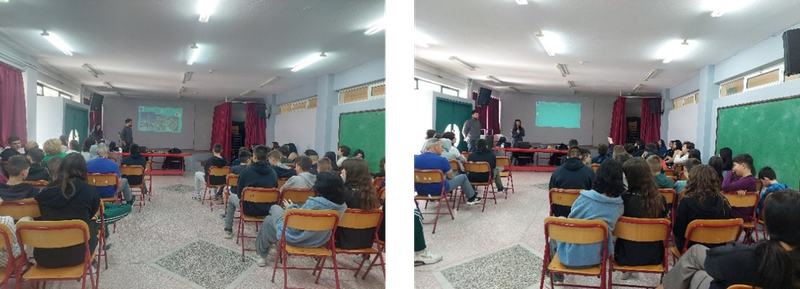
Figure 2: Impressions from implementing the educational programme in secondary schools. Image Credit: Egaleo Municipality.
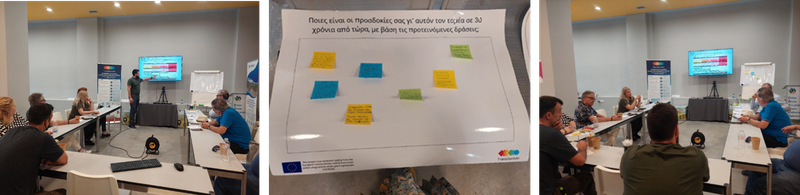
Figure 3: Photos from the Adaptation action plan development workshop (living lab). July 2024. Image Creidt: Egaleo Municipality.
Patios and open spaces in schools must be covered with materials that reduce the temperatures.
Andreas Rigatos, Principal of the 3rd Middle High School of Egaleo, Greece
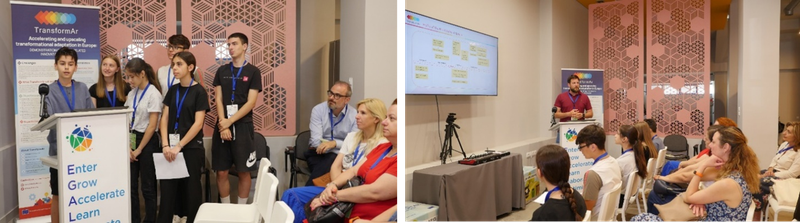
Figure 4: Figure 5: Photos from the Open Green Day, 4.6.2024. Image Credit: Egaleo Municipality.
Summary
Further Information
Contact
Keywords
Climate Impacts
Adaptation Sectors
Key Community Systems
Countries
Funding Programme
Disclaimer
The contents and links to third-party items on this Mission webpage are developed by the MIP4Adapt team led by Ricardo, under contract CINEA/2022/OP/0013/SI2.884597 funded by the European Union and do not necessarily reflect those of the European Union, CINEA, or those of the European Environment Agency (EEA) as host of the Climate-ADAPT Platform. Neither the European Union nor CINEA nor the EEA accepts responsibility or liability arising out of or in connection with the information on these pages.
Language preference detected
Do you want to see the page translated into ?
Exclusion of liability
This translation is generated by eTranslation, a machine translation tool provided by the European Commission.
Exclusion of liability
This translation is generated by eTranslation, a machine translation tool provided by the European Commission.