All official European Union website addresses are in the europa.eu domain.
See all EU institutions and bodies
An official website of the European Union | How do you know?
Environmental information systems
EN



Collaboration with national forestry enterprises in Bulgaria and Slovakia ensures that climate-smart forestry measures are embedded in updated planning documents at local, national, and EU levels. Demonstration sites provide spaces for awareness-raising and knowledge exchange, strengthening adaptation efforts and helping spread these practices to other regions.
Key Learnings
About the Region
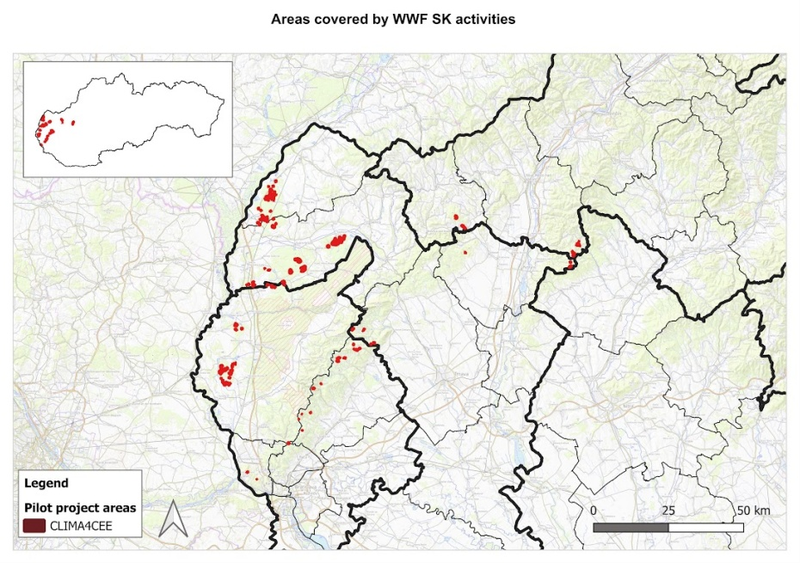
In Western Slovakia, the Záhorie lowland, the Little Carpathians, and parts of the Považský Inovec range form diverse regions with lowland and upland forests. Forests cover about 31.7% of the territory, dominated by broadleaved species such as beech (Fagus sylvatica), oak (Quercus robur and Q. petraea), hornbeam (Carpinus betulus) and linden (Tilia cordata), while Scots pine (Pinus sylvestris) prevails on the sandy soils of the Záhorie area. The region features three main vegetation zones: floodplain forests along the Morava River, lowland pine–oak forests, and upland mixed deciduous forests. In this area, the Karpaty Branch Enterprise (OZ Karpaty) of the Slovak Republic State Enterprise manages the forests, which oversee a competence area of approximately 176,000 hectares, including around 77,800 hectares of forest stands. Altitudes range from 150 metres near the Morava River to about 750 metres above sea level in the Little Carpathians and Považský Inovec.
Climate Threats
Both Western Slovakia and South-western Bulgaria are increasingly exposed to the impacts of climate change, which amplify existing pressures on forests. Rising temperatures, heatwaves, and prolonged droughts have become more frequent, resulting in reduced soil moisture and water availability. In Western Slovakia, dry conditions and heat stress have weakened Scots pine (Pinus sylvestris) and Norway spruce (Picea abies), increasing their vulnerability to bark beetle infestations. Recurrent droughts, together with high browsing pressure from deer, also hinder both natural and artificial forest regeneration. In South-western Bulgaria, pine plantations face similar challenges, where increased drought and heat stress reduce tree vitality and increase susceptibility to insect infestations, large-scale disturbances, and wildfires due to extreme summer heat and declining precipitation. Overall, these trends accelerate forest decline, hinder regeneration, and threaten the capacity of forests to provide ecosystem services and sustain local livelihoods.
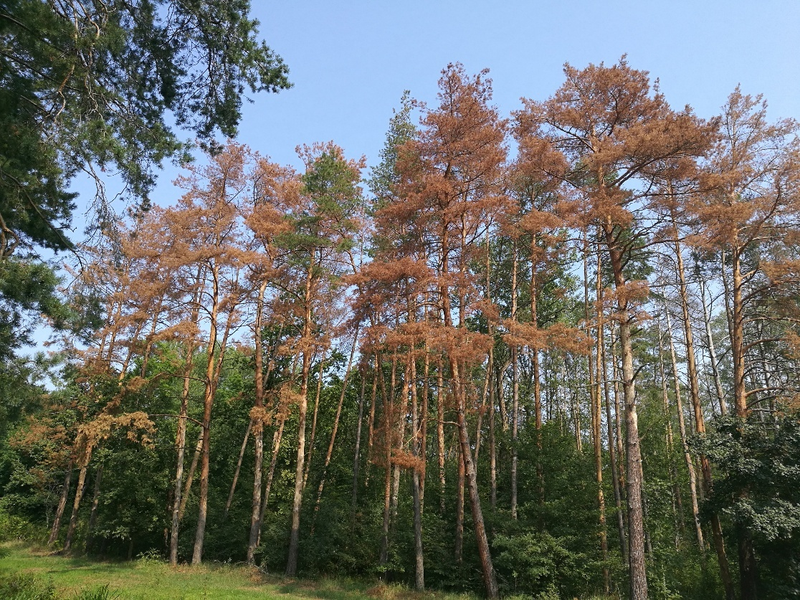
Figure 1: Bark beetle-infested stand. Image Credit: WWF SK.
Climate-smart forest management for better resilience
The adaptation activities in Bulgaria and Slovakia, therefore, focus on:
- Transforming coniferous plantations into more diverse and climate-resilient stands
- Adjusting the age and species structure of lowland forests to improve drought resilience
- Planting and growing tree species that are better adapted to higher temperatures and shifting site conditions
- Awareness raising among professionals and the general public
A scientific study prepared in the pre-implementation phase provided the basis for developing tailored management plans for the selected stands. A series of workshops in Slovakia and Bulgaria then brought together local foresters and nature protection authorities to present and validate the study’s findings and to build consensus on the proposed forest management and adaptation measures.
A key step in integrating climate-smart forest management into daily forestry practice is fostering strong cooperation among foresters, scientists, and the general public. This collaborative effort is essential to create meaningful pressure for change and to ensure that forest management strategies are both scientifically sound and socially supported.
Milan Janák, Conservation Director, WWF Slovakia
Adaptation measures in Slovakia
Slovakia’s strategy focuses on modifying forest structure and regeneration in Scots pine stands, replacing vulnerable Norway spruce with more suitable species, and improving water retention to secure forest recovery. The CLIMAFORCEELIFE project team worked with local foresters to select sites based on specific conditions.
Climate-Smart forestry measures
In the Záhorie region, thinning reduces dense, even-aged stands and monocultures, creating canopy gaps that boost light and natural regeneration, supporting seedling germination and development. Instead of clear-cutting, gradual thinning with small openings encourages the development of mixed-age, mixed-species stands – more resilient to climate stress. Experimental plots test thinning intensity and soil preparation methods, while some areas require underplanting native broadleaves or fencing to protect natural regeneration from game. The Slovak Forest Enterprise implements the measures; the Czech University of Life Sciences handles inventory and monitoring; WWF Slovakia (in Slovakian) monitors biodiversity.
Midterm monitoring, covering results from 2021-2024, showed strong variability in forest structure and regeneration. Disc and mulcher soil preparation combined with thinning best supported pine regeneration, while oak responded less. Biodiversity monitoring revealed a short-term drop in bird communities post-intervention, followed by recovery, and increased bat activity – signalling improved habitat quality.
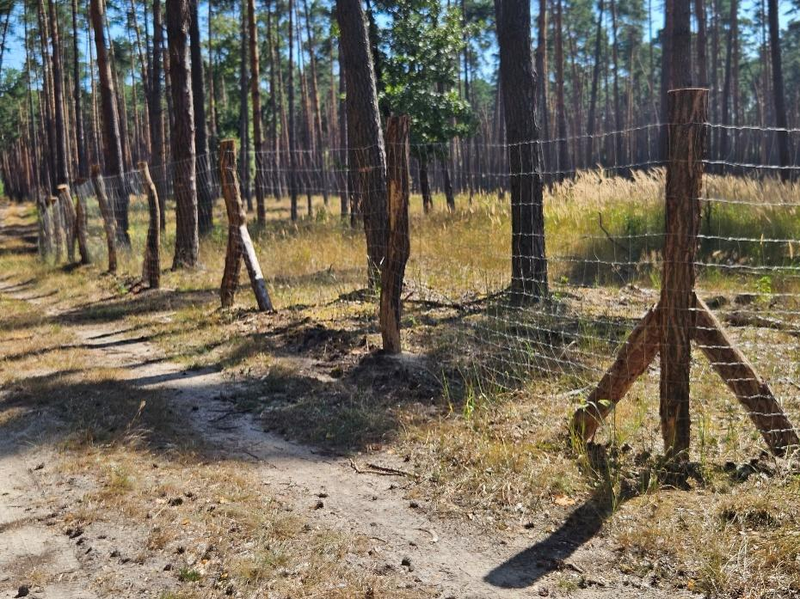
Figure 2: Protection fences against damage caused by game. Image Credit: WWF SK.
Another key measure replaces spruce monocultures in the Small Carpathians and Považský Inovec with native species like beech, fir, and sycamore maple. Spruce, planted widely in the 20th century for timber, now suffers heat stress, drought, and bark beetle outbreaks at low altitudes, causing economic losses. Foresters are shifting the stand composition by promoting the natural regeneration of native, climate-adapted species and supporting them through targeted planting to create more diverse, climate-resilient forests. Midterm results show strong regeneration of multiple species, indicating high potential for stable mixed stands.
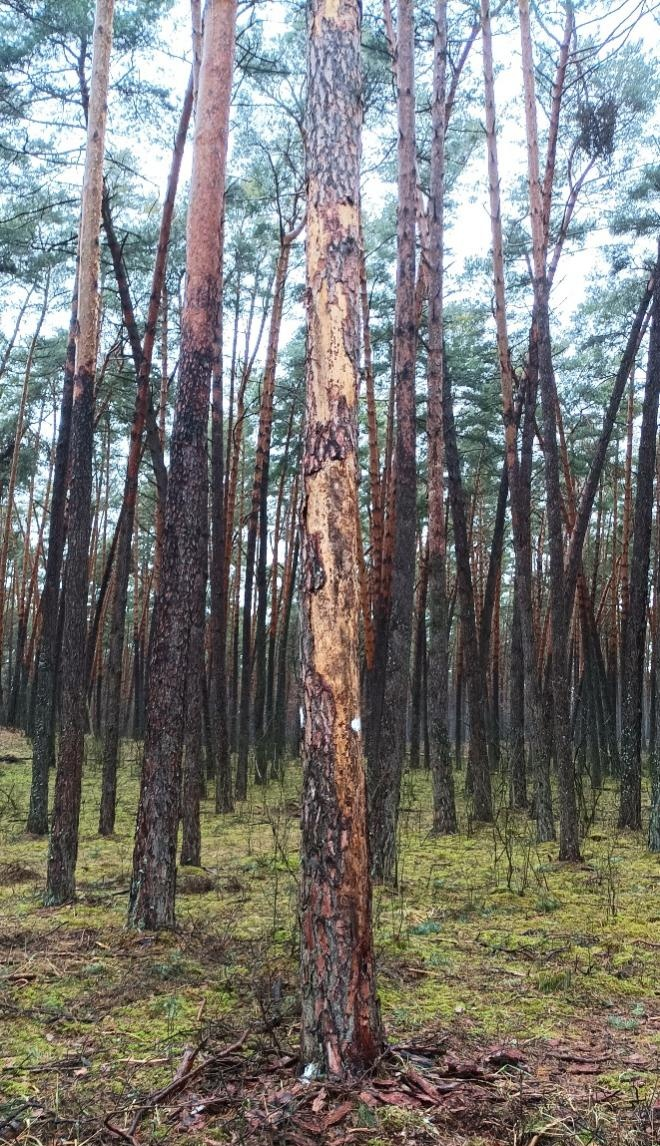
Figure 3: Dense forest stand before the thinning. Image Credit: WWF SK.
Water retention measures
Frequent droughts threaten Záhorie’s Scots pine, causing dieback and landscape degradation. Slowing runoff during and after heavy rains can strengthen forest resilience and protect key tree species. Closing or rebuilding old drainage channels and restoring reservoirs helps retain water during dry periods and provides potential reserves for firefighting. At Gbelský les Forest (1,400 ha), the historic drainage system – originally designed to remove excess water from Morava River floods – now worsens drought due to the presence of dykes and prolonged dry spells. Refilling them improves soil infiltration and groundwater supply. Continuous monitoring of groundwater levels before, during, and after these interventions along the drainage channels ensures that their effectiveness can be evaluated and adjusted as needed.
Adaptation measures in Bulgaria
Afforestation with drought-resistant species
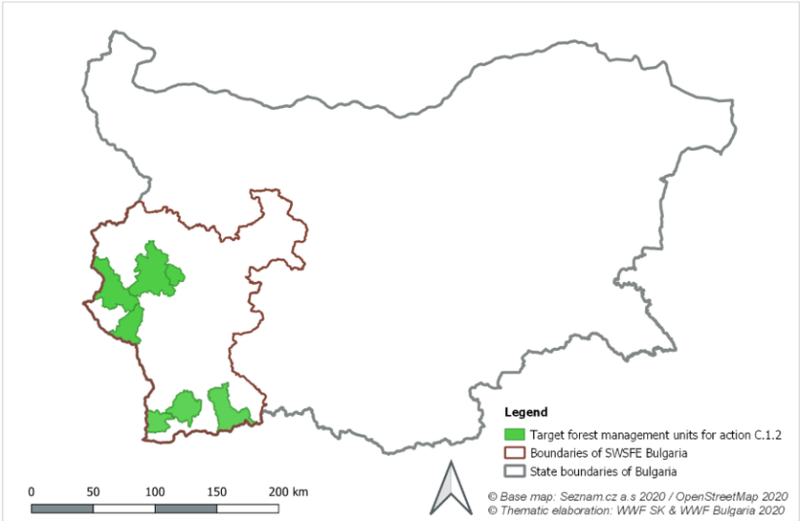
Monocultural pine forests in southern Bulgaria are highly vulnerable to climate change, requiring transformation. At higher altitudes, natural processes support species shift, but low-lying areas managed by the South-western State Forest Enterprise need active intervention. Barriers such as mountain ridges and farmland limit natural spread, so foresters are planting drought-tolerant species like Quercus pubescens, Quercus coccifera, Pinus brutia, and Cedrus atlantica. To test suitability, the project established 10 hectares of seed gardens and experimental plots.
Afforestation began in autumn 2022 and continued in spring 2023. Survival rates are monitored regularly, but extreme heat and drought have caused low survival rates across all the experimental areas. Despite this, the results provide valuable insights for future management.
Forestry measures in coniferous plantations
Typically, regional forest management guidelines recommend thinning pine stands after 80 years to facilitate regeneration. Climate change exacerbates the damage caused by bark beetles, drought, and fire in pine plantations. Two main challenges affect the South-western State Forest Enterprise:
- Pines were often planted 400 to 500 meters below their natural range, increasing vulnerability
- Thinning of young stands is often overlooked for economic reasons, although early intervention is crucial for enhancing resilience.
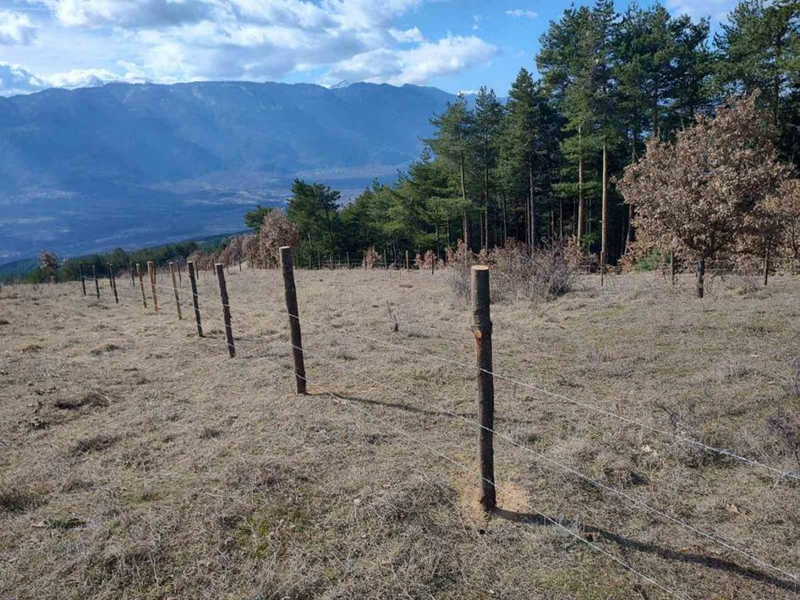
Figure 4: Afforestation plots with drought-resistant species. Image Credit: SWSFE.
Management goals are shifting from timber production to creating more natural, climate-resilient forests. The South-western state forest enterprise is thinning 800 ha of Pinus sylvestris and Pinus nigra using modern harvesters to improve efficiency and reduce costs. Trials compare:
- Manual harvesting,
- Machine-assisted (harvester) thinning,
- Different thinning intensities and gap sizes.
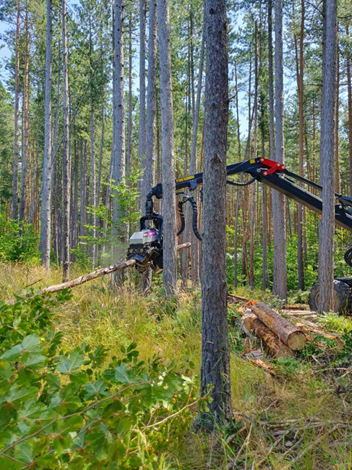
Figure 5: Mechanisation of forestry measures – harvester. Image Credit: SWSFE
Evaluating these approaches shows that there is no single “best” method. Manual harvesting, harvester-assisted thinning, and different thinning intensities or gap sizes all work differently, depending on site conditions. Their effectiveness is therefore highly site-specific, and foresters are still gaining experience to see which methods fit which situation.
Raising Awareness
Changing perceptions is key to successful adaptation. Engaging both foresters and the public in understanding the role of managed forests and climate change impacts ensures lasting support. Early involvement of professionals – from planning to implementation – helped maintain their commitment. For the public, information boards at intervention sites and regular guided walks with students and community groups brought the measures closer and fostered active engagement.
Summary
Further Information
Contact
Keywords
Climate Impacts
Adaptation Sectors
Key Community Systems
Countries
Funding Programme
Disclaimer
The contents and links to third-party items on this Mission webpage are developed by the MIP4Adapt team led by Ricardo, under contract CINEA/2022/OP/0013/SI2.884597 funded by the European Union and do not necessarily reflect those of the European Union, CINEA, or those of the European Environment Agency (EEA) as host of the Climate-ADAPT Platform. Neither the European Union nor CINEA nor the EEA accepts responsibility or liability arising out of or in connection with the information on these pages.
Language preference detected
Do you want to see the page translated into ?
Exclusion of liability
This translation is generated by eTranslation, a machine translation tool provided by the European Commission.
Exclusion of liability
This translation is generated by eTranslation, a machine translation tool provided by the European Commission.