All official European Union website addresses are in the europa.eu domain.
See all EU institutions and bodies
An official website of the European Union | How do you know?
Environmental information systems
EN



Climate change affects human health and well-being in a multitude of ways. Several climate hazards pose both physical and mental health risks, and not all people are impacted equally.
Featured health impacts


Health impacts A-Z
Climate change worsens air quality, increasing the risk of respiratory illnesses.
Children are highly vulnerable to climate change due to their developing bodies and immune systems.
Drought and water scarcity impact health through reduced access to clean water, increased disease risk, poor air quality, and food insecurity.
Flooding poses serious physical and mental health risks, including drowning, injuries, and infectious diseases from contaminated water.
Rising temperatures and extreme weather increase the risk of vector- and water-borne diseases.
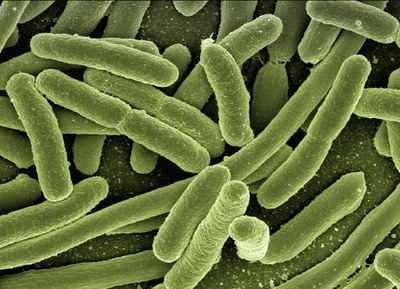
Climate change increases food safety risks by increasing the frequency and severity of food-borne diseases and spread of harmful microorganisms.
Ground-level ozone harms human health by impairing respiratory and cardiovascular function, increasing hospital visits and premature deaths.
Heat waves are becoming more frequent and severe, resulting in additional deaths, worsening of existing diseases and more hospital admissions.
Landslides can cause direct health impacts like injuries, fatalities, and psychological trauma.
Climate change impacts on mental health include trauma and PTSD linked to extreme weather events, as well as climate anxiety.
Occupational health and safety
Climate change threatens workers’ health through heat, UV exposure, pollution, pathogens, and extreme weather.
Permafrost thaw poses health risks to humans through water contamination, infrastructure damage, and exposure to hazardous waste.
Pollen from many plant species triggers allergic diseases like hay fever, asthma, and conjunctivitis, affecting 40% of Europeans.
Climate change and pollution often have joint sources and exert combined and mutually reinforcing pressures on the environment and human health.
Prolonged UV exposure can cause sunburn, skin aging, eye diseases, and skin cancers.
Wildfires cause fatalities, burns, and respiratory and cardiovascular diseases from smoke exposure.
Language preference detected
Do you want to see the page translated into ?
Exclusion of liability
This translation is generated by eTranslation, a machine translation tool provided by the European Commission.
Exclusion of liability
This translation is generated by eTranslation, a machine translation tool provided by the European Commission.