All official European Union website addresses are in the europa.eu domain.
See all EU institutions and bodies
An official website of the European Union | How do you know?
Environmental information systems
EN


Key messages

- Europe’s coastal areas are on the frontline of climate change. Rising sea levels, more intense storms and storm surges, saltwater intrusion, increasing water temperatures, and ocean acidification are expected to place growing pressure on coastal environments and communities. These impacts threaten not only ecosystems, but also the many services they provide, including coastal protection, biodiversity, livelihoods, recreation, and cultural heritage, with far-reaching consequences for society and the economy.
- To address these challenges, the EU has established a comprehensive policy framework to strengthen the climate resilience of coastal areas. Cross-cutting instruments such as Integrated Coastal Zone Management and Maritime Spatial Planning support coordinated and sustainable management of coastal and marine resources. These are complemented by key legislative frameworks, including the Floods Directive and the Marine Strategy Framework Directive, which help reduce climate-related risks and protect coastal ecosystems.
- In addition, the River Basin Management Plans developed under the Water Framework Directive offer important opportunities to monitor and advance adaptation efforts, supporting a more integrated approach to building resilience across Europe's coastal regions.
Why climate adaptation matters for the Coastal areas sector
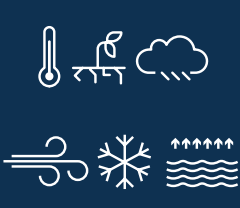
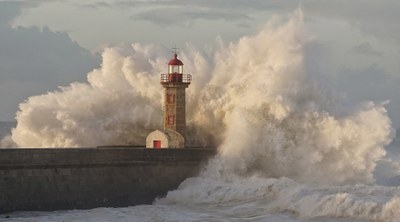
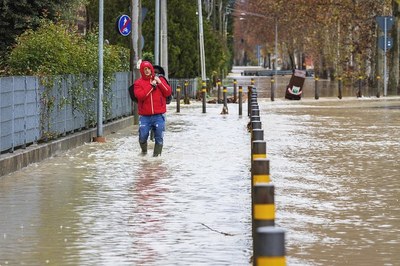
Climate change is expected to have severe impacts on coastal areas owing to sea level rise as well as changes in the frequency and magnitude of severe storms and related storm-surges. This can cause flooding, coastal erosion and the loss of low-lying areas that host habitats of high environmental value as well as human settlements and infrastructures. Sea level rise will also induce or increase the risk of saltwater intrusion, further endangering coastal ecosystems. Moreover, expected rises in water temperatures and ocean acidification will contribute to a restructuring of coastal ecosystems, with effects on ocean circulation and biogeochemical cycling. Harmful algal blooms (HAB) have increased in the last decades in coastal areas in response to eutrophication combined with climate change. Ultimately, these effects can cause the loss of multiple ecosystem services provided by coastal areas, of environmental, economic, social, and cultural value for many stakeholders and economic sectors.
The impacts of climate change worsen problems that coastal areas are already facing, due to the increasing urbanisation of the coasts and to the presence of infrastructures and multiple human activities, both on land and at sea. Such non-climatic impact drivers interact with climatic impact drivers. Thus they determine the overall vulnerability of natural and human systems of coastal areas.
According to the first European Climate Risk Assessment (EUCRA), coastal regions face some of Europe's most pressing climate risks. That requires urgent action to safeguard people, infrastructure, economic activities, and coastal ecosystems from flooding, erosion, and inundation. Additional challenges include growing threats to human health from HABs and pathogens. Further risks are disruptions to energy systems caused by damage to coastal transport and storage infrastructure, and widespread impacts on maritime and coastal transport networks. Exposed to multiple and interconnected climate hazards, coastal regions are identified by EUCRA as climate risk hotspots, underscoring the need for integrated and forward-looking adaptation measures.
Explore further





External links
Language preference detected
Do you want to see the page translated into ?
Exclusion of liability
This translation is generated by eTranslation, a machine translation tool provided by the European Commission.
Exclusion of liability
This translation is generated by eTranslation, a machine translation tool provided by the European Commission.