All official European Union website addresses are in the europa.eu domain.
See all EU institutions and bodies
An official website of the European Union | How do you know?
Environmental information systems
EN


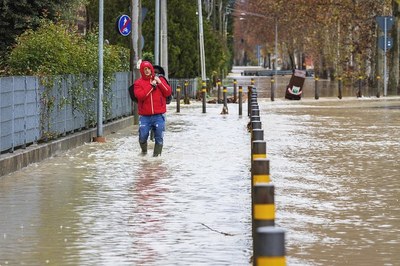
Most Europeans live in urban areas, where people, buildings, infrastructure and essential services are concentrated. The built environment, combined with limited green space, can intensify urban heat, while sealed surfaces reduce natural infiltration and increase the risk of flooding during heavy rainfall. These climate hazards can affect human health and livelihoods, infrastructure and disrupt essential services such as water, energy, housing, health care, and social services in urban areas. The first European Climate Risk Assessment (EUCRA) identifies climate risks to urban areas as an important concern for Europe. EEA assessments, including Climate Resilience in Europe, 2025 - progress and challenges and Small but mighty - climate resilience in Europe's small municipalities, highlight that European cities and towns are already experiencing climate impacts, with densely populated areas particularly exposed to heat and extreme precipitation.
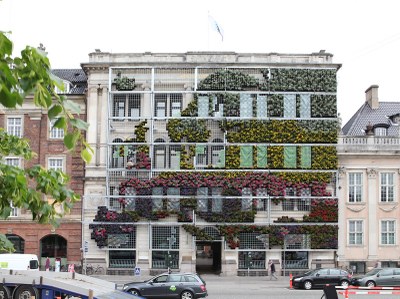
Urban planning and development decisions play a key role in shaping climate risks and resilience. Climate-informed urban and spatial planning, resilient buildings and infrastructure, and the protection and restoration of green and blue spaces can help reduce exposure and vulnerability. Nature-based solutions, such as urban trees, parks, green roofs, restored waterways and sustainable drainage systems, can provide cooling, retain water and reduce flood risks while also supporting biodiversity, public health and quality of life. As highlighted in EEA analysis on urban adaptation in Europe, effective adaptation requires sustained political commitment, long-term funding, good-governance, citizen engagement and decisions informed by the best available knowledge.
Addressing social vulnerability is essential to ensure that adaptation benefits everyone. Climate impacts do not affect all people equally. Age, health, income, housing conditions and access to green space can influence people’s exposure to climate hazards and their ability to prepare prepare for, respond to and recover from extreme events. Cities and towns can strengthen resilience by identifying the needs of vulnerable groups, addressing inequalities in access to protective infrastructure and green spaces, and involving local communities in planning and implementing adaptation measures. Inclusive approaches can help ensure that adaptation actions respond to local needs and deliver wider social benefits.
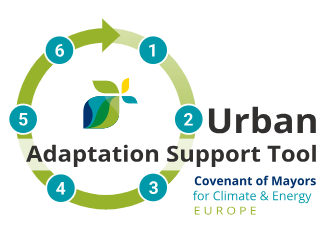
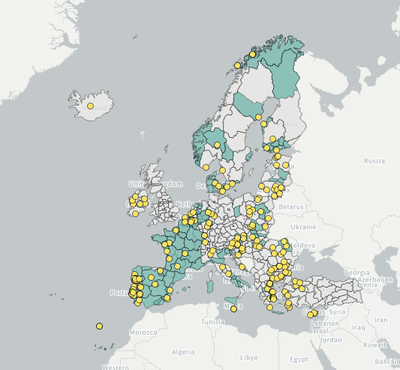
European policies, initiatives and tools support cities and towns in planning and implementing adaptation. The EU Adaptation Strategy promotes more systemic adaptation, strengthened local action and nature-based solutions. The EU Mission on Adaptation to Climate Change and the Covenant of Mayors for Climate and Energy support regional and local authorities in building climate resilience. The EU Biodiversity Strategy for 2030 further reinforces the role of urban ecosystems and green infrastructure. The Urban Adaptation Support Tool provides step-by-step guidance to help cities assess climate risks, develop adaptation strategies and plans, implement measures, and monitor and evaluate progress. Horizon Europe also supports research and innovation to develop, test and scale up climate-resilient solutions.
Explore policies, tools and guidance for climate change adaptation at regional and local levels to find resources that support your adaptation planning and action.
Adaptation in regions, cities and towns




How you can use Climate-ADAPT
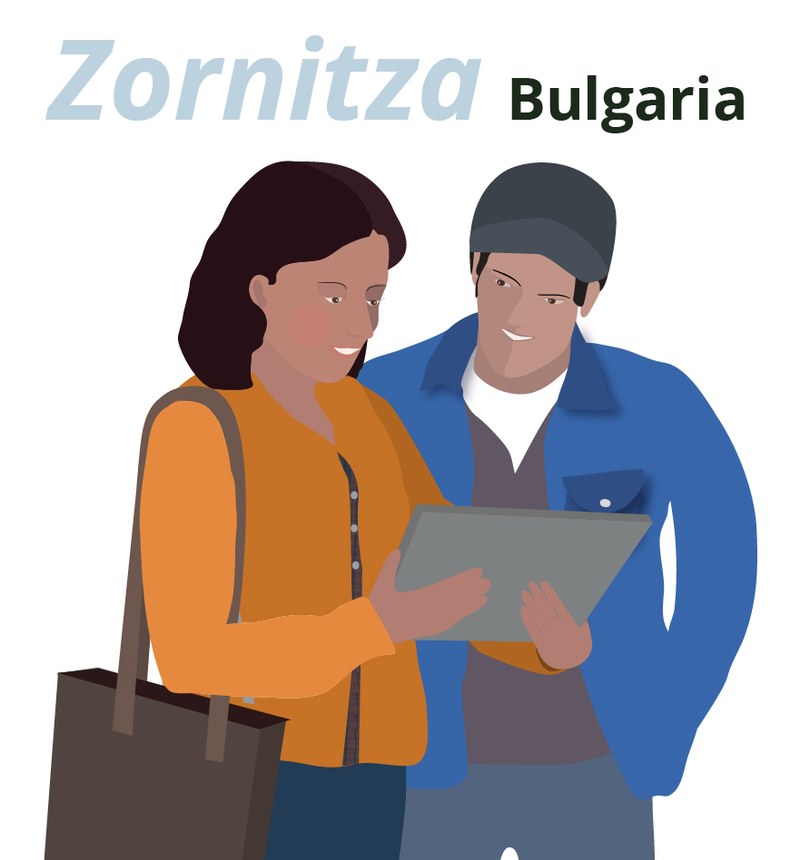
Get to know Zornitza from Bulgaria
Zornitza works in an organization providing advice to Bulgarian farmers. She wants to better understand the impacts of climate change on agriculture, especially floods and heat waves, to effectively advise her clients.
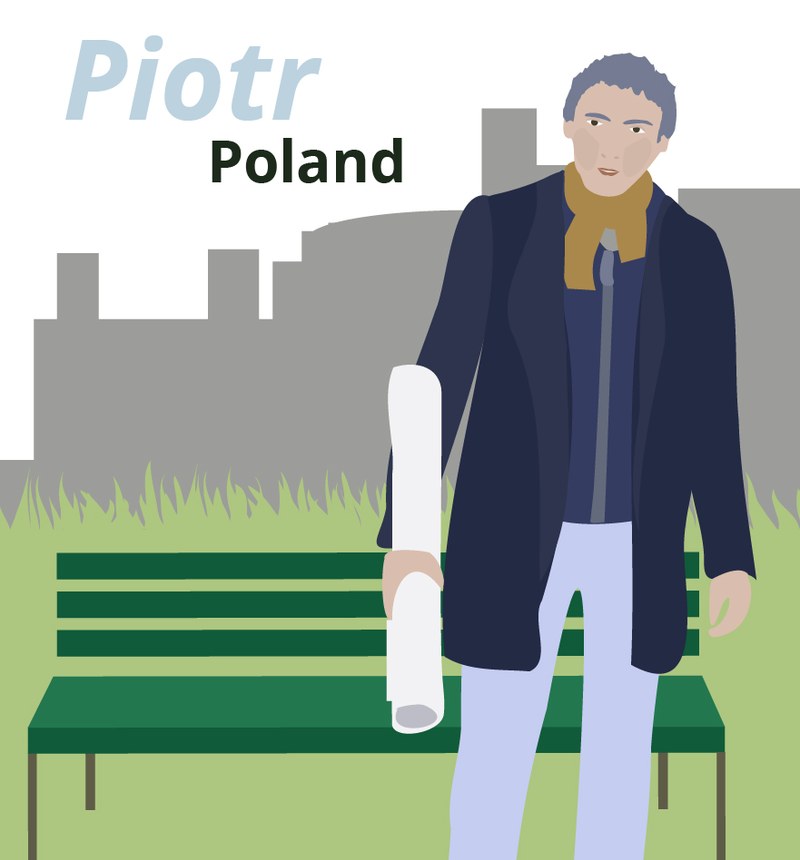
Get to know Piotr from Poland
Piotr is a planner for the Krakow City Council. As drought is a key challenge in Poland, he is looking for data and guidance on water management to develop green-blue infrastructure solutions.
External links
Language preference detected
Do you want to see the page translated into ?
Exclusion of liability
This translation is generated by eTranslation, a machine translation tool provided by the European Commission.
Exclusion of liability
This translation is generated by eTranslation, a machine translation tool provided by the European Commission.